
What Are the Best Ways to Take Care of Your Eyes?
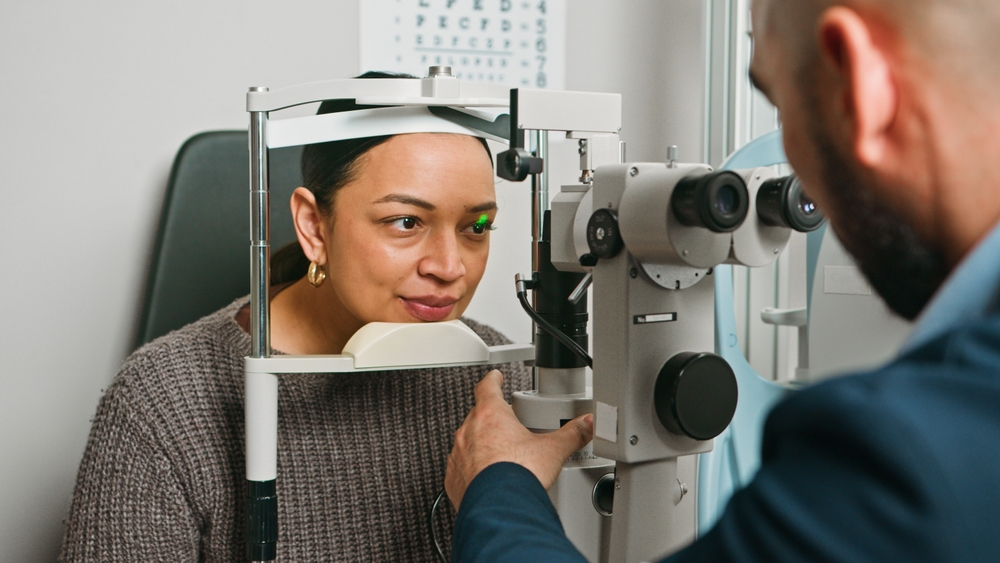
Maintaining healthy eyes involves more than updating your glasses or contact lens prescription. Many eye conditions develop silently, without noticeable symptoms at first. Practicing good eye care habits and receiving regular comprehensive eye exams can help detect issues early and preserve your vision for the future.
Schedule Regular Comprehensive Eye Exams
One of the most important steps in eye care is scheduling routine comprehensive eye exams. Even if your vision seems fine, eye exams can detect early signs of eye diseases such as glaucoma, macular degeneration, and cataracts.
Comprehensive eye exams also help:
Ensure your prescription is accurate
Detect eye strain or focusing issues
Identify systemic health concerns like high blood pressure or diabetes-related changes
Adults should generally have an eye exam every one to two years, or more often if recommended by your optometrist.
Practice Proper Contact Lens Hygiene
If you wear contact lenses, proper hygiene is essential for protecting your eyes from infections and irritation. Poor lens care can lead to serious conditions like corneal ulcers or eye infections.
Best practices for contact lens care include:
Washing and drying your hands before handling lenses
Cleaning and storing lenses with fresh solution daily
Never sleeping in contacts unless approved by your eye doctor
Replacing lenses and cases on schedule
During your eye exam, your optometrist can review proper contact lens care and ensure your lenses fit comfortably and safely.
Prioritize Diabetic Eye Exams if You Have Diabetes
If you have diabetes, regular diabetic eye exams are critical. Diabetes can damage the blood vessels in the retina, leading to diabetic retinopathy - a condition that can cause vision loss if not treated early.
Annual diabetic eye exams help:
Detect retinal changes early
Monitor eye health over time
Prevent long-term vision complications
Managing blood sugar levels along with routine eye care can significantly reduce the risk of diabetes-related vision problems.
Develop Healthy Screen Time Habits
With increased screen use for work, school, and entertainment, digital eye strain has become increasingly common. Symptoms may include dry eyes, headaches, blurry vision, and eye fatigue.
To protect your eyes during screen time:
Follow the 20-20-20 rule: every 20 minutes, look at something 20 feet away for 20 seconds
Adjust screen brightness and contrast
Blink often to prevent dry eyes
Position screens at eye level and at a comfortable distance
If screen discomfort persists, your optometrist may recommend computer glasses or specialized lens coatings.
Protect Your Eyes from the Environment
Living an active, outdoor lifestyle is great - but don’t forget eye protection. UV exposure can increase the risk of cataracts and other eye conditions.
Protect your eyes by:
Wearing sunglasses that block 100% of UVA and UVB rays
Using protective eyewear during sports or home projects
Keeping eyes hydrated with artificial tears if dryness is an issue
Take the Next Step in Eye Health
Taking care of your eyes is about more than just clear vision - it’s about protecting your long-term eye health. Regular comprehensive eye exams, proper contact lens hygiene, diabetic eye care when needed, healthy screen habits, and everyday protection all play a vital role in keeping your eyes healthy.
Encinitas Vision Optometry offers comprehensive eye exams, contact lens services, and diabetic eye care tailored to your needs. Visit our office in Encinitas, California, or call (760) 454-4055 to book an appointment today.



Contact Info
Office Hours
- Monday 9:00am - 5:00pm
- Tuesday 9:00am - 5:00pm
- Wednesday 9:00am - 5:00pm
- Thursday 9:00am - 5:00pm
- Friday 9:00am - 3:00pm
- Saturday Closed
- Sunday Closed
© 2026 Encinitas Vision Optometry. All Rights Reserved. Accessibility Statement | Privacy Policy | Sitemap
Powered by:
