
How Eye Coordination Affects Athletic Performance
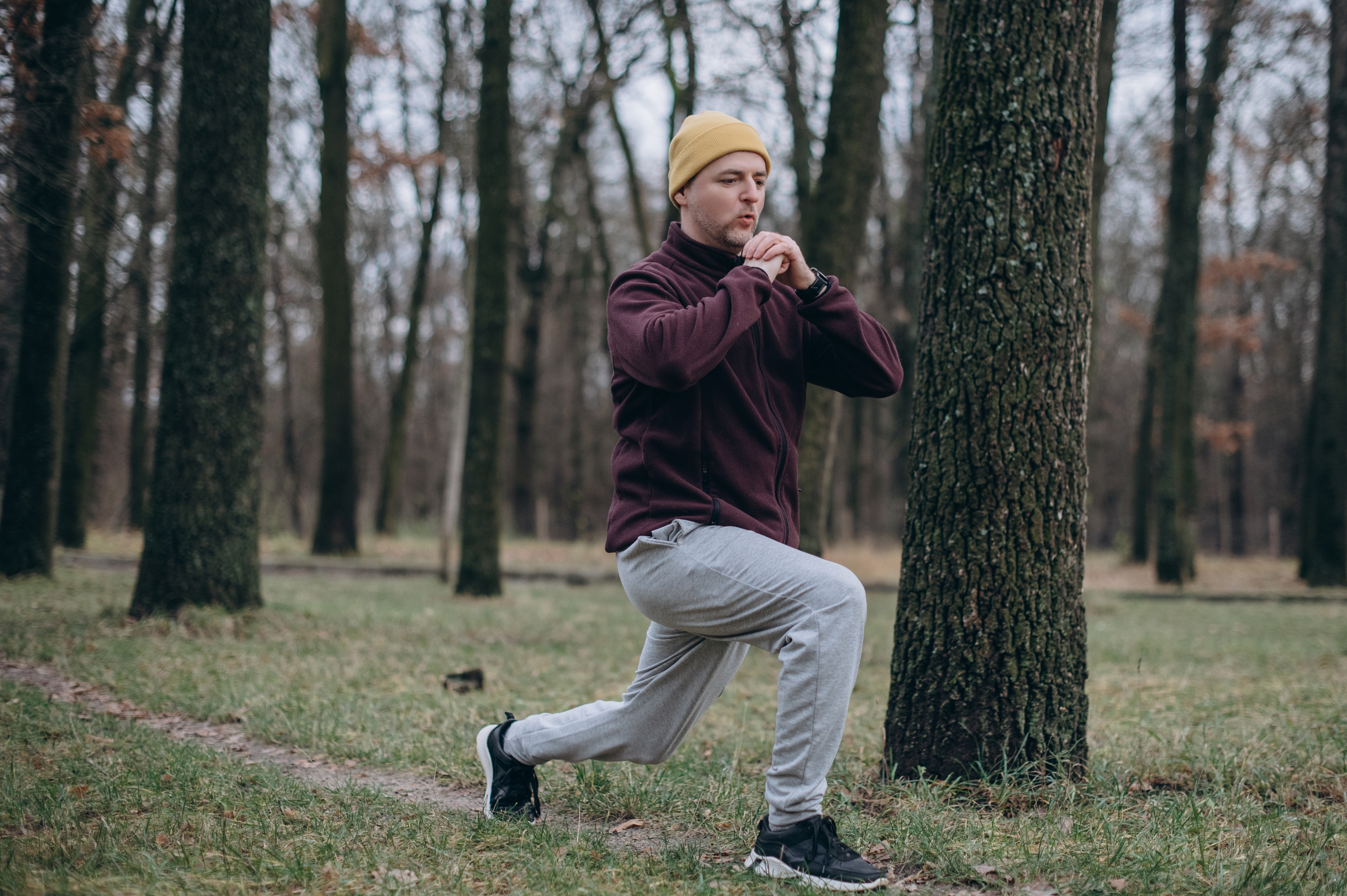
Athletic performance depends on more than strength, speed, and practice. Clear vision is important, but the way both eyes work together also plays a major role in timing, balance, depth perception, and reaction speed. When eye coordination is not working efficiently, athletes may have trouble tracking a moving ball, judging distance, or responding quickly during play.
At Encinitas Vision Optometry, we look beyond basic visual clarity to help patients understand how their eyes function together in daily life and active environments.
What Is Eye Coordination?
Eye coordination refers to how well both eyes align, focus, and move as a team. When the eyes work together properly, the brain receives one clear, stable image. This helps athletes follow fast movement, shift focus between near and far targets, and make quick decisions.
If the eyes are not teaming well, the brain has to work harder to process visual information. This can lead to subtle performance challenges, even if an athlete has 20/20 vision.
How Eye Coordination Impacts Athletic Skills
Many sports rely on fast, accurate visual processing. Whether an athlete is catching a ball, reading an opponent’s movement, or aiming at a target, the eyes and brain need to communicate quickly.
Strong eye coordination can support:
- Accurate depth perception
- Better hand-eye coordination
- Faster reaction time
- Improved tracking of moving objects
- Stronger focus during high-speed play
- Better spatial awareness on the field or court
When these skills are not working well, athletes may misjudge distance, react late, lose their place visually, or feel less confident during competition.
Signs An Athlete May Have Eye Teaming Issues
Eye coordination problems are not always obvious. Some athletes compensate without realizing it, while others may assume their struggles are related to focus, training, or fatigue. Common signs can include difficulty tracking a ball, frequent missed catches, poor timing, headaches after visual effort, or trouble maintaining focus during long practices.
Younger athletes may also avoid certain sports or feel frustrated when their performance does not match their effort. A comprehensive eye exam can help determine whether vision function is contributing to these challenges.
Why 20/20 Vision Is Not The Whole Picture
A standard vision screening may show that an athlete can see clearly at a distance, but it may not measure how well the eyes move, focus, or work together. Athletic performance often depends on dynamic vision skills, not just reading letters on a chart.
During a thorough eye exam, we can evaluate visual clarity, eye health, focusing ability, eye movement, and binocular vision. This gives us a more complete picture of how the visual system supports performance.
Supporting Better Visual Performance
If eye coordination is affecting an athlete’s comfort or performance, the right approach depends on the underlying cause. Some patients may benefit from an updated prescription, contact lenses, or lenses designed for sports and outdoor activity. Others may need a more detailed evaluation of eye teaming or focusing skills.
Our goal is to help each patient see clearly and use their vision more efficiently in real-world situations, including school, work, driving, and sports.
To schedule an eye exam and learn more about how eye coordination may affect athletic performance, contact Encinitas Vision Optometry in Encinitas, CA by calling (760) 454-4055.



Contact Info
Office Hours
- Monday 9:00am - 5:00pm
- Tuesday 9:00am - 5:00pm
- Wednesday 9:00am - 5:00pm
- Thursday 9:00am - 5:00pm
- Friday 9:00am - 3:00pm
- Saturday Closed
- Sunday Closed
© 2026 Encinitas Vision Optometry. All Rights Reserved. Accessibility Statement | Privacy Policy | Sitemap
Powered by:
